Barn Roof Replacement in Holland Township from $6. A big simple plane: cheap by the square foot, and the structure underneath matters more than the covering. Free inspection and a written quote.
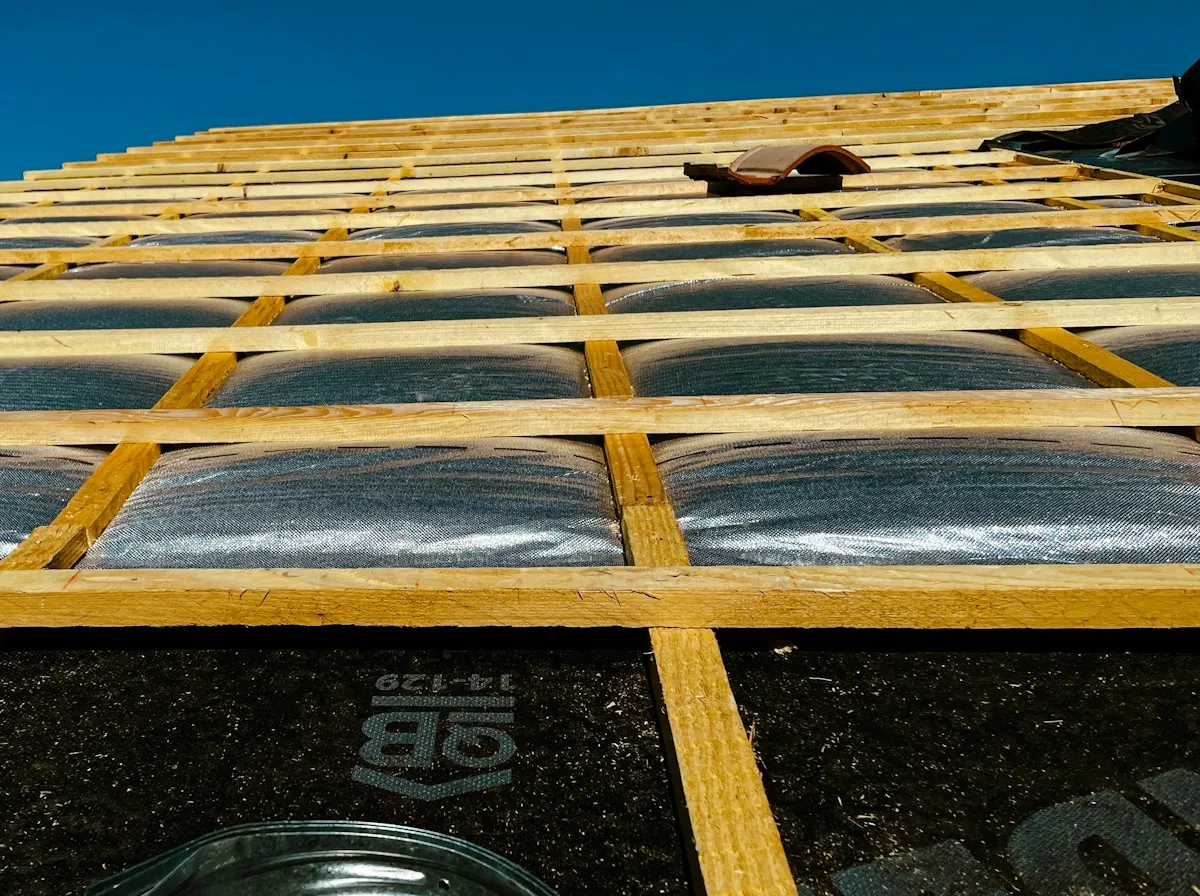
This is barn country and a barn roof is not a big house roof. One or two large simple planes: cheap per square foot, expensive in total. No insulation, no ventilation problem, no ceiling to protect -- so what matters is the purlins and rafters, because that is where years of water actually did the damage.
A barn roof is not a big house roof. It is usually one or two large uninterrupted planes, which makes it among the cheapest roofing there is per square foot and among the most expensive in total simply because there is so much of it. Panel metal over purlins is the normal answer and normally the right one.


Panel metal over purlins at $6 to $12 per square foot is the normal answer and normally the right one. A barn is among the cheapest roofing there is per square foot and among the most expensive in total, simply because there is so much of it -- which is why we quote a rate rather than pretend a typical barn exists. A property here frequently means several roofs, and surveying them in one visit is cheaper than three separate call-outs months apart. House and outbuildings are priced separately because they are genuinely different work, but they are looked at together.
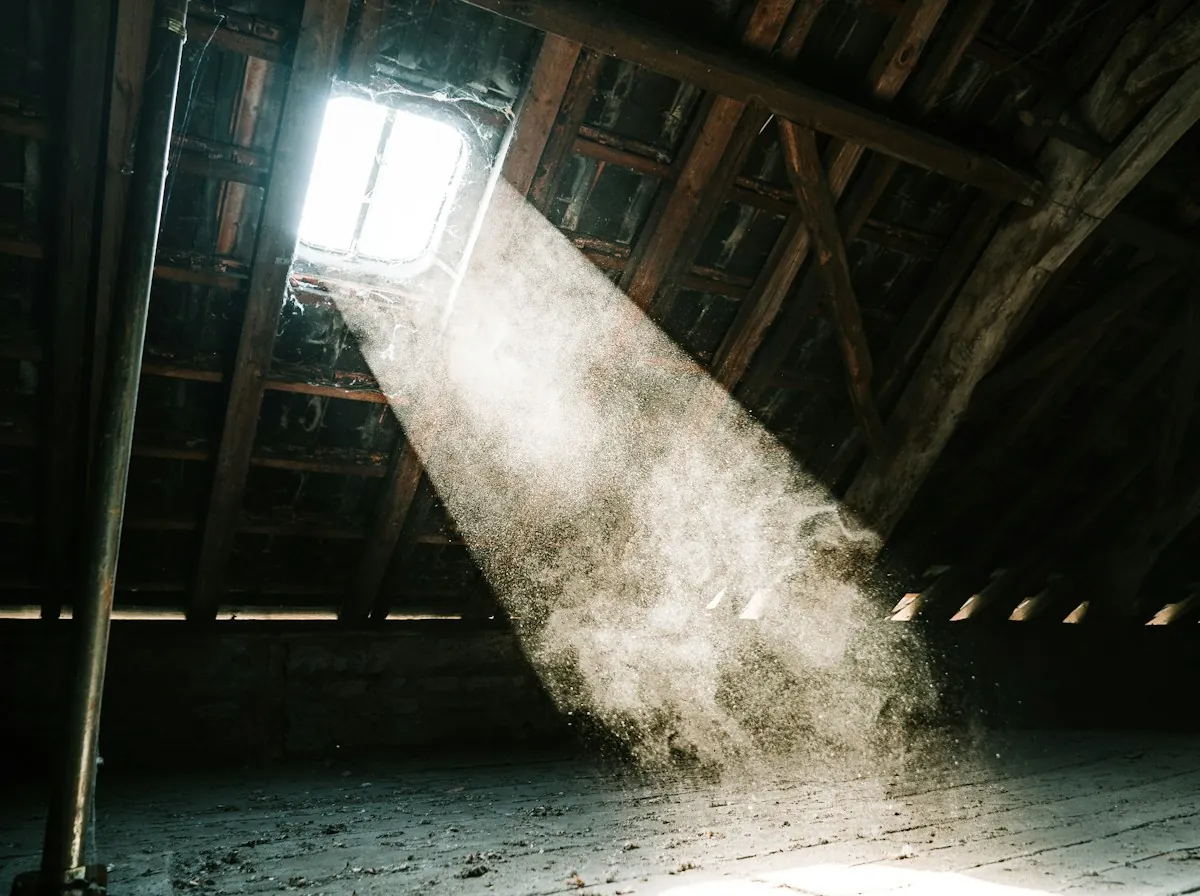
The structure. No insulation, no ventilation problem and no ceiling to protect means the consequence of years of water is in the purlins and rafters rather than on anybody's plaster -- and on a building this old that timber is often irreplaceable in kind.
Sound purlins at a spacing the new panel suits, a clear approach for a lift or scaffold, and a plane with nothing complicated on it.
Frame repair. Where the structure has moved or rotted, the covering is the smaller half of the job, and you deserve to know that before anybody quotes per square foot.
This is barn country, and a property here frequently means more than one roof. The house and the outbuildings are different jobs with different economics, and surveying them together in one visit is both cheaper and more useful than treating them as separate inquiries.
Where a property has several buildings, doing the roofs in a sensible order matters more than doing them all at once.
None of them appear in a national cost guide, and all three can move a number by an order of magnitude.
A barn roof is a large simple plane: cheap per square foot, expensive in total. There is no insulation, no ventilation problem and no ceiling to protect, so years of water did their damage to purlins and rafters. Where the frame is sound, a re-covering is excellent value. Where it is not, the covering is the smaller half of the job.
Natural slate outlives its nails and its valley metal by a long way. A roof shedding tiles is most often sound stone on failed fixings, and renailing with the slate reused costs a fraction of new slate at $22 to $35 a square foot. Getting this wrong in the wrong direction costs tens of thousands.
Milford Borough is a square mile and a quarter; the service area is four townships. Travel is a real cost on a small job. We would rather name it, and batch visits where it makes sense, than put it in a rate where you cannot see it.
A property here frequently means more than one roof -- the house, and then a barn, a shed or a wagon house behind it.
Out here the honest question is whether one visit can do it.
Exposed-fastener panel over purlins is the normal answer on working buildings and has been for a century.
Farmhouse slate is frequently on a frame built to carry it, which makes stone-for-stone a genuine option rather than a structural project.
On farm properties the low-slope areas are usually utilitarian: a lean-to against a barn, a milk house, a modern addition to an old house.
Farm buildings are often ungutted entirely, and sometimes that is fine -- a barn on well-drained ground away from anything does not necessarily need one.
A survey here covers the house and the outbuildings, and on the outbuildings it happens from inside.
An old river town. Find out what is really up there.
Two centuries of building, scattered widely.
The biggest roofs here. Price the frame first.
Town roofs again, where access is the hard part.
Asked on every job of this kind. Answered here.
Because that is where the damage is. A barn has no insulation, no ventilation problem and no ceiling to protect, so years of water went into the purlins and rafters rather than onto anybody's plaster. Standing underneath and looking up tells you what the job actually is; the view from outside tells you what the sheets look like.
It depends on what the building is used for, and it is a question for your township rather than for us. We will raise it before work rather than after, and each of the five municipalities in this service area answers it separately.
Usually not, on a house. Replacing the roof COVERING on a detached one- or two-family dwelling is ordinary maintenance under N.J.A.C. 5:23-2.7 -- no permit, no notice, no inspection. Out here there is a second question that does not arise elsewhere: an agricultural building is a different case, and the answer depends on what it is used for. That gets asked of the township rather than assumed from a website, and each of the five municipalities in this service area has its own construction office.
It depends far more on the material than on the state, and out here the materials are not all asphalt. Architectural asphalt typically gives 20 to 30 years and three-tab 15 to 20. Standing seam metal commonly gives 50 and more. Exposed-fastener panel gives a long life too, but its screws and washers are consumables and want re-tightening -- a panel roof nobody has touched in 25 years is on borrowed time at its fixings rather than in its sheets. Natural slate outlasts all of them, frequently by a century, which is why so much of it around here needs nails rather than stone.
For a standard asphalt roof on an average house, yes -- that is well above the $12,000 to $18,000 most land at. For a large barn it can be entirely normal, because a barn roof is enormous even though the rate per square foot is the lowest of anything we do. And for natural slate at $22 to $35 a square foot it is unremarkable. The number on its own answers nothing; what the quote itemizes does.
What is actually under the covering, established before a price. The frame surveyed from inside on any farm building.