Barn Roof Replacement in Milford from $6. A big simple plane: cheap by the square foot, and the structure underneath matters more than the covering. Free inspection and a written quote.
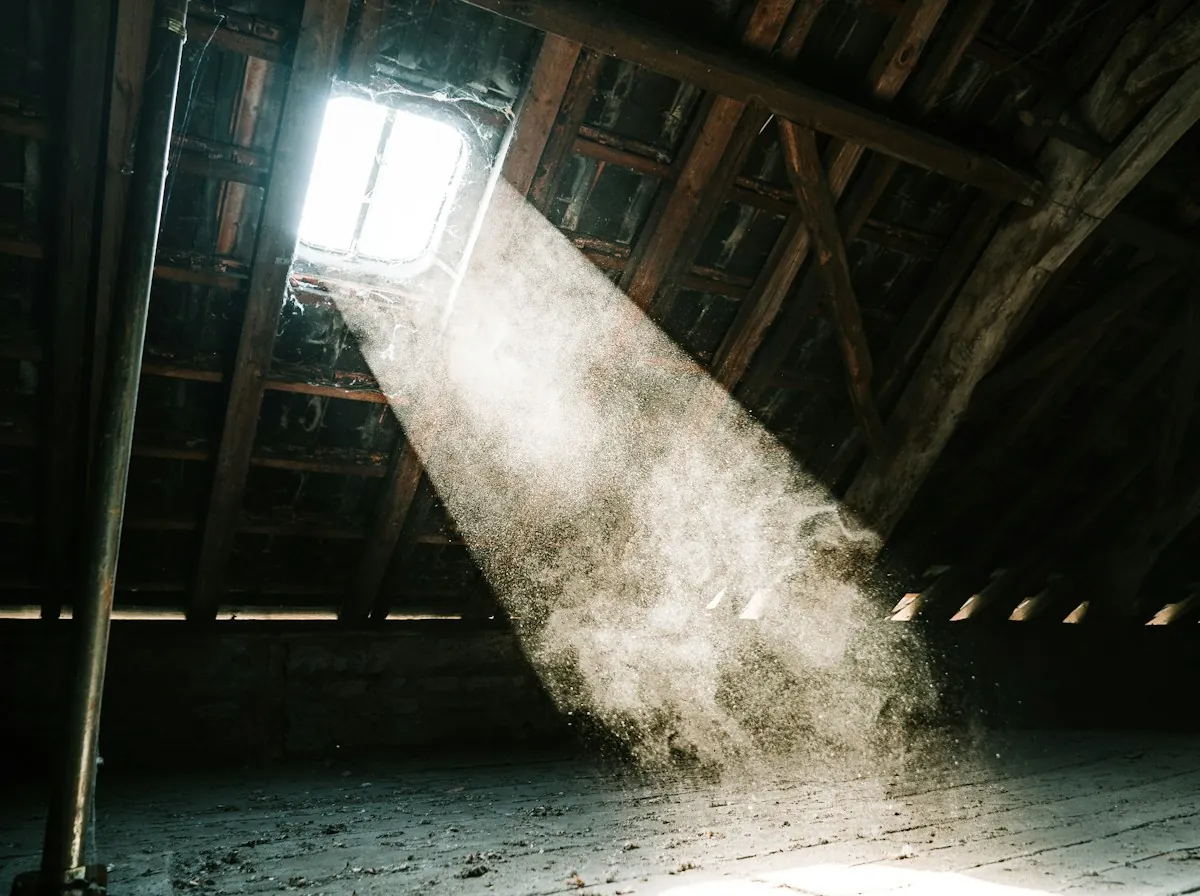
There is not much agricultural building inside a square-mile borough, but there are carriage houses, wagon sheds and substantial outbuildings behind the older houses -- smaller than a working barn and framed the same way, which means the same survey: start inside, look up at the frame.
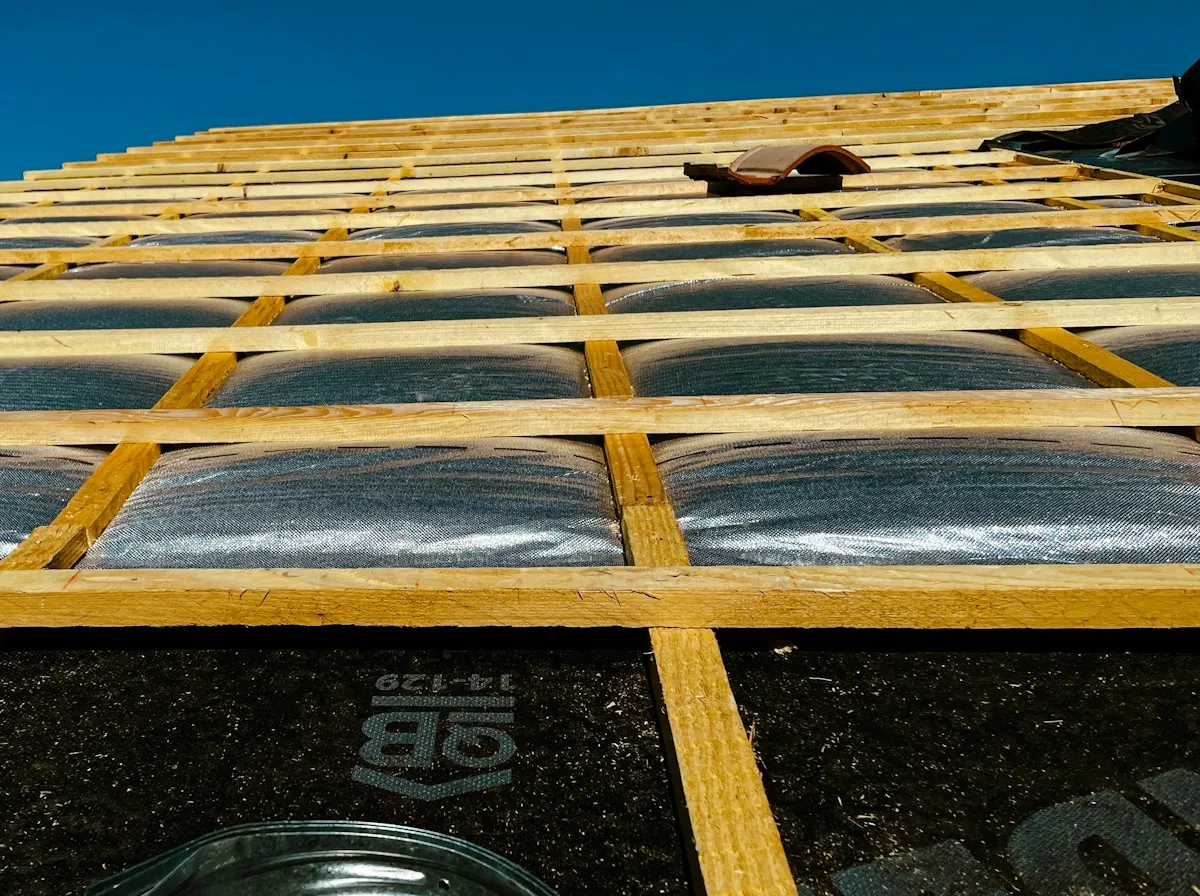
A barn roof is not a big house roof. It is usually one or two large uninterrupted planes, which makes it among the cheapest roofing there is per square foot and among the most expensive in total simply because there is so much of it. Panel metal over purlins is the normal answer and normally the right one.


Panel metal over purlins at $6 to $12 per square foot is the normal answer and normally the right one. A barn is among the cheapest roofing there is per square foot and among the most expensive in total, simply because there is so much of it -- which is why we quote a rate rather than pretend a typical barn exists. In the borough, access is easy and travel is short -- this is the one place in the service area where a small repair does not carry much of a drive. What moves the number here is age: what is under the covering, how many layers, and whether the deck is boards.
The structure. No insulation, no ventilation problem and no ceiling to protect means the consequence of years of water is in the purlins and rafters rather than on anybody's plaster -- and on a building this old that timber is often irreplaceable in kind.
Sound purlins at a spacing the new panel suits, a clear approach for a lift or scaffold, and a plane with nothing complicated on it.
Frame repair. Where the structure has moved or rotted, the covering is the smaller half of the job, and you deserve to know that before anybody quotes per square foot.
Old town housing means the same three unknowns every time: what is under the visible covering, whether the deck is boards, and how many layers are up there. On a street of houses this age, slate and standing seam turn up under asphalt more often than anybody expects.
A square-mile borough at the center of a four-township service area -- which is why travel is discussed openly here rather than hidden in a rate.
What changes the job is underneath. There is generally no insulation, no ventilation problem and no finished ceiling to protect, so the thing that actually matters is the structure: purlins, rafters, and the plate they sit on. Water that has been getting in for years does its damage to the timber rather than to anybody's plaster, and on a building of this age that timber is often irreplaceable in kind.
None of them appear in a national cost guide, and all three can move a number by an order of magnitude.
A barn roof is a large simple plane: cheap per square foot, expensive in total. There is no insulation, no ventilation problem and no ceiling to protect, so years of water did their damage to purlins and rafters. Where the frame is sound, a re-covering is excellent value. Where it is not, the covering is the smaller half of the job.
Natural slate outlives its nails and its valley metal by a long way. A roof shedding tiles is most often sound stone on failed fixings, and renailing with the slate reused costs a fraction of new slate at $22 to $35 a square foot. Getting this wrong in the wrong direction costs tens of thousands.
Milford Borough is a square mile and a quarter; the service area is four townships. Travel is a real cost on a small job. We would rather name it, and batch visits where it makes sense, than put it in a rate where you cannot see it.
$12,000 to $18,000 on a typical house, but the borough's older stock rarely behaves typically.
$350 to $1,800 covers most repairs.
Panel at $6 to $12 a square foot, standing seam at $10 to $18.
On the borough's nineteenth-century housing, slate turning up under a later covering is common.
$5 to $14 a square foot.
On an old house the gutter is the cheapest thing on the building and it protects the most expensive.
In the borough the survey mostly answers one question: what is actually up there.
Barn country. A property is usually several roofs.
Two centuries of building, scattered widely.
The biggest roofs here. Price the frame first.
Town roofs again, where access is the hard part.
Asked on every job of this kind. Answered here.
Because that is where the damage is. A barn has no insulation, no ventilation problem and no ceiling to protect, so years of water went into the purlins and rafters rather than onto anybody's plaster. Standing underneath and looking up tells you what the job actually is; the view from outside tells you what the sheets look like.
It depends on what the building is used for, and it is a question for your township rather than for us. We will raise it before work rather than after, and each of the five municipalities in this service area answers it separately.
An architectural asphalt roof runs $9,500 to $26,000, with most 2,000 square foot houses landing at $12,000 to $18,000 installed -- but that figure describes a suburban house, and out here a good share of the work is not on one. Metal panel is $6 to $12 per square foot and standing seam $10 to $18; natural slate is $22 to $35. A barn priced per square foot is the cheapest roofing there is and the most expensive job on the property, because of how much of it there is.
Usually not, on a house. Replacing the roof COVERING on a detached one- or two-family dwelling is ordinary maintenance under N.J.A.C. 5:23-2.7 -- no permit, no notice, no inspection. Out here there is a second question that does not arise elsewhere: an agricultural building is a different case, and the answer depends on what it is used for. That gets asked of the township rather than assumed from a website, and each of the five municipalities in this service area has its own construction office.
For a standard house, $12,000 to $18,000 covers most 2,000 square foot properties, within a full range of $9,500 to $26,000. The more useful answer for this area is that you cannot price an old building from a published range at all, because the number turns on things nobody can see from the road: what is under the covering, how many layers, whether the deck is boards, and whether the frame was built for the weight of what is on it.
What is actually under the covering, established before a price. The frame surveyed from inside on any farm building.