Barn Roof Replacement in Kingwood Township from $6. A big simple plane: cheap by the square foot, and the structure underneath matters more than the covering. Free inspection and a written quote.
The largest agricultural roofs on this site. The cost per square foot is the lowest anywhere in the service area and the total is the highest, which means a few dollars either way is a very large number -- and it is why the structural survey is worth more than haggling over the covering.
A barn roof is not a big house roof. It is usually one or two large uninterrupted planes, which makes it among the cheapest roofing there is per square foot and among the most expensive in total simply because there is so much of it. Panel metal over purlins is the normal answer and normally the right one.


Panel metal over purlins at $6 to $12 per square foot is the normal answer and normally the right one. A barn is among the cheapest roofing there is per square foot and among the most expensive in total, simply because there is so much of it -- which is why we quote a rate rather than pretend a typical barn exists. The largest agricultural roofs on this site: the lowest rate per square foot anywhere in the service area and the highest totals. On a barn that size a couple of dollars per square foot is a very large number, which is why the structural survey comes first.
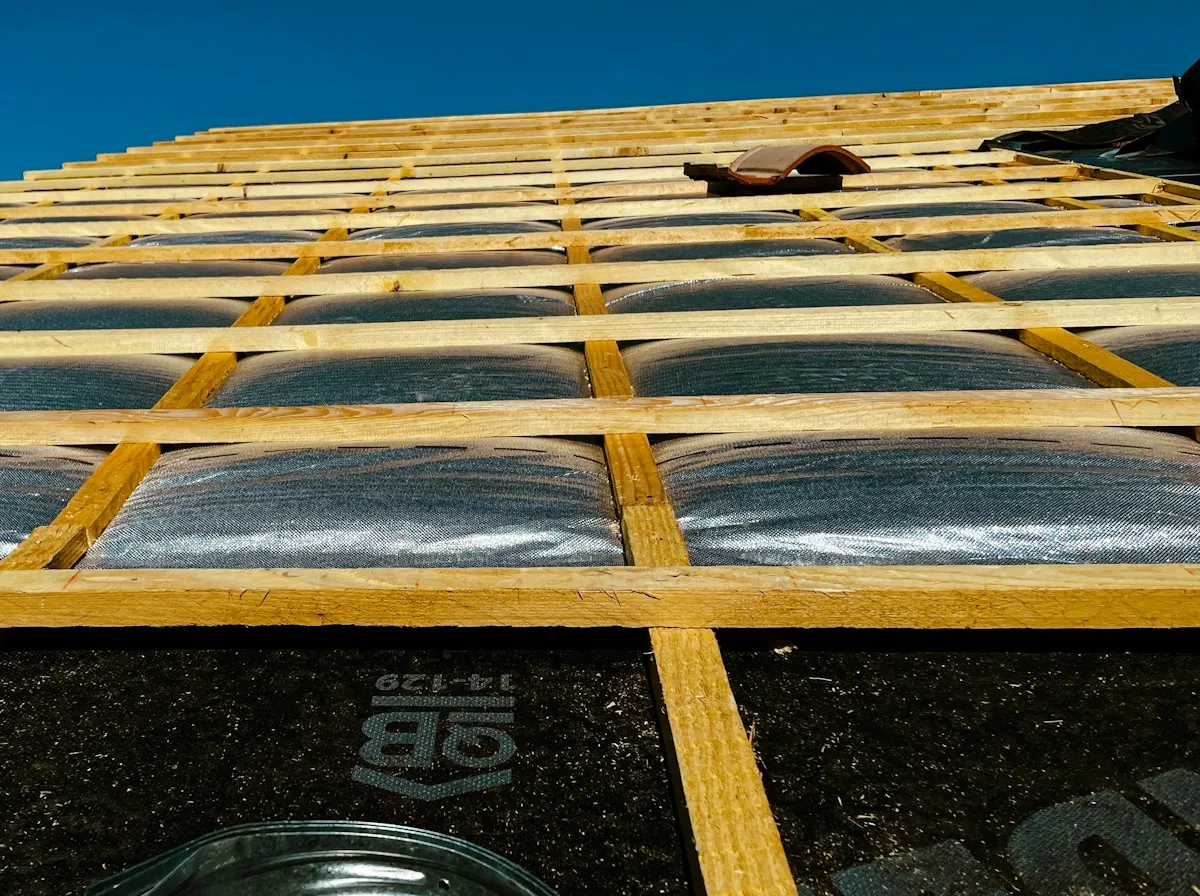
The structure. No insulation, no ventilation problem and no ceiling to protect means the consequence of years of water is in the purlins and rafters rather than on anybody's plaster -- and on a building this old that timber is often irreplaceable in kind.
Sound purlins at a spacing the new panel suits, a clear approach for a lift or scaffold, and a plane with nothing complicated on it.
Frame repair. Where the structure has moved or rotted, the covering is the smaller half of the job, and you deserve to know that before anybody quotes per square foot.
The largest agricultural roofs on this site. On a big barn the cost per square foot is the lowest anywhere in this service area and the total is the highest, which is a combination that makes getting the structural survey right worth more than negotiating on the covering.
On a large barn, a few dollars per square foot is a very large number -- which cuts both ways, and is a reason to price the frame properly first.
Worth knowing before you start ringing round, particularly on a building with no ceiling under it.
Roofs in this part of New Jersey fail at the edges over winter -- water backs up under the courses at the eaves, freezes, lifts them, and the ceiling below reports it during the first proper thaw. Wind coming up the river valley does the rest, and on an exposed plateau property there is not much between a roof and the weather.
Preserved farmland keeps the building pattern as it was, so replacement work here means working farms and former farms rather than subdivisions.
On an agricultural building a repair is often about stopping water reaching timber rather than protecting a finished interior.
On the large agricultural roofs here, panel is not a compromise -- it is the right system, and at $6 to $12 a square foot the arithmetic on a big barn is unanswerable.
Slate on a farm property is usually on the house while the outbuildings are metal, so a visit here often means two completely different trades on one site.
Agricultural low-slope work is about volume of water rather than detail: a large shallow roof shedding onto a yard needs the fall and the discharge thought about, because the consequence of getting it wrong is standing water where machinery has to go..
A very large roof sheds a very large amount of water, and a gutter sized for a house on a barn frontage will simply overflow along its whole length.
On a large barn the structural survey is the expensive decision in disguise.
An old river town. Find out what is really up there.
Barn country. A property is usually several roofs.
Two centuries of building, scattered widely.
Town roofs again, where access is the hard part.
Asked on every job of this kind. Answered here.
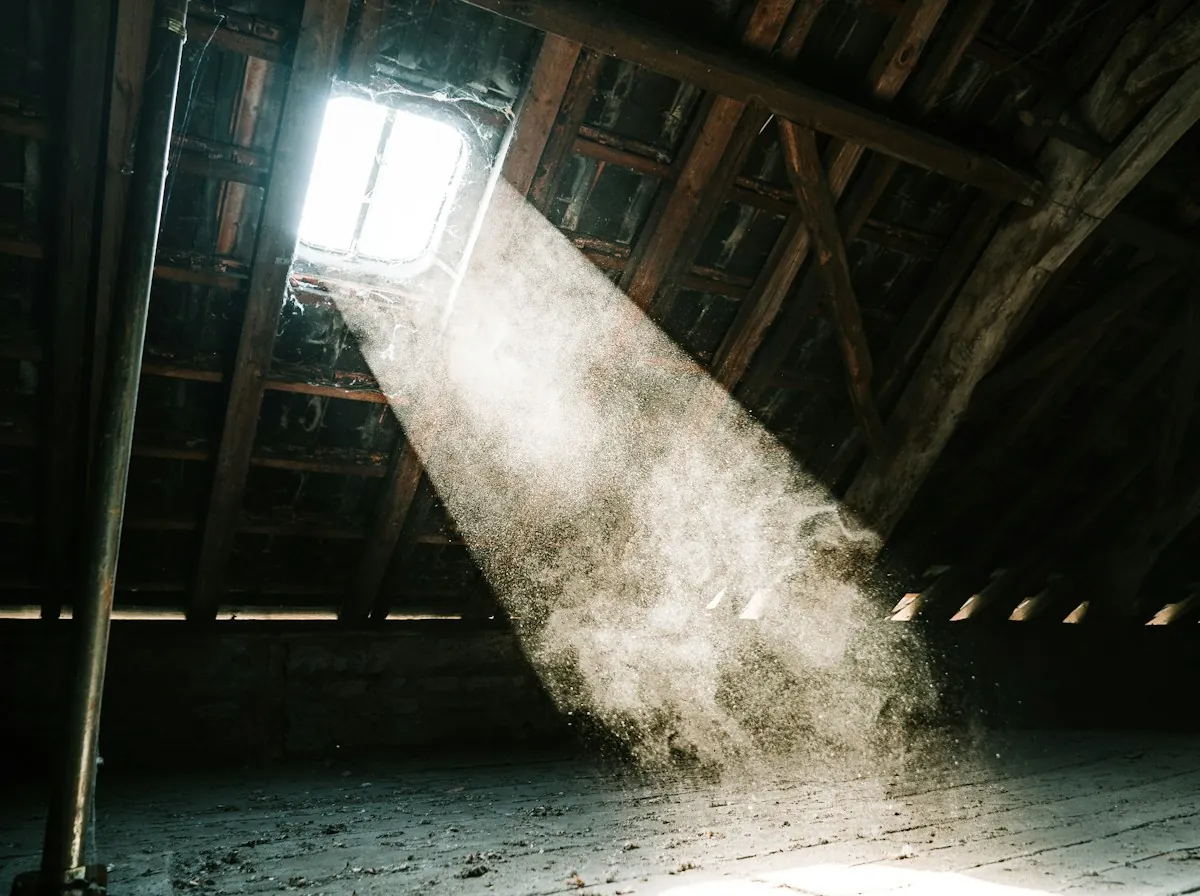
Because that is where the damage is. A barn has no insulation, no ventilation problem and no ceiling to protect, so years of water went into the purlins and rafters rather than onto anybody's plaster. Standing underneath and looking up tells you what the job actually is; the view from outside tells you what the sheets look like.
It depends on what the building is used for, and it is a question for your township rather than for us. We will raise it before work rather than after, and each of the five municipalities in this service area answers it separately.
For a standard house, $12,000 to $18,000 covers most 2,000 square foot properties, within a full range of $9,500 to $26,000. The more useful answer for this area is that you cannot price an old building from a published range at all, because the number turns on things nobody can see from the road: what is under the covering, how many layers, whether the deck is boards, and whether the frame was built for the weight of what is on it.
For a standard asphalt roof on an average house, yes -- that is well above the $12,000 to $18,000 most land at. For a large barn it can be entirely normal, because a barn roof is enormous even though the rate per square foot is the lowest of anything we do. And for natural slate at $22 to $35 a square foot it is unremarkable. The number on its own answers nothing; what the quote itemizes does.
There is no honest answer to that from a roofing company, so here is what to judge on instead. Does the quote say what is under the current covering, or only what is going on top. On a farm building, does it describe the frame -- purlins, rafters, plate -- or only the sheets. On slate, does it distinguish between failed stone and failed nails. Is the decking a rate per sheet rather than a lump. Is there a New Jersey registration number on the document. A quote that answers all five came from somebody who went and looked.
What is actually under the covering, established before a price. The frame surveyed from inside on any farm building.